



Common Methods Used for Foundation Raising and Leveling
Common Methods Used for Foundation Raising and Leveling
People seeking foundation raising and leveling aim to stabilize and straighten their home’s foundation, and local contractors can provide effective methods to restore structural integrity.
Understanding the common methods used for foundation raising and leveling can help property owners make informed decisions about maintaining the stability of their structures. These techniques are essential in addressing issues caused by shifting soils, settling, or minor structural imbalances that can develop over time. For homeowners and property owners in the area, exploring these methods offers practical insights into how local contractors approach foundation concerns, ensuring that any work performed aligns with the specific needs of the property.
Many local service providers specialize in foundation raising and leveling, utilizing a variety of proven techniques to restore stability and prevent further damage. Whether through underpinning, slab jacking, or pier and beam adjustments, these methods are designed to address common foundation problems effectively. Learning about these approaches can help property owners understand what options are available and how local contractors can assist in implementing solutions that support long-term structural integrity.
- Pier and Beam Lifting - Homeowners with uneven floors or shifting foundations may need pier and beam lifting, which local contractors typically perform by installing support piers beneath the foundation.
- mudjack or slab jacking - When concrete slabs settle or sink, local service providers often use mudjacking to lift and level the slab using a mixture of grout beneath the surface.
- Push piers or helical piers - Foundations that have shifted due to soil movement can be stabilized with push or helical piers, which local pros install to lift and secure the structure.
- slab stabilization - For cracks or uneven concrete, local contractors may employ stabilization techniques that involve injecting materials to fill voids and lift the slab.
- slab underpinning - When a concrete slab sinks or settles unevenly, service providers often use underpinning methods to lift and reinforce the foundation for stability.
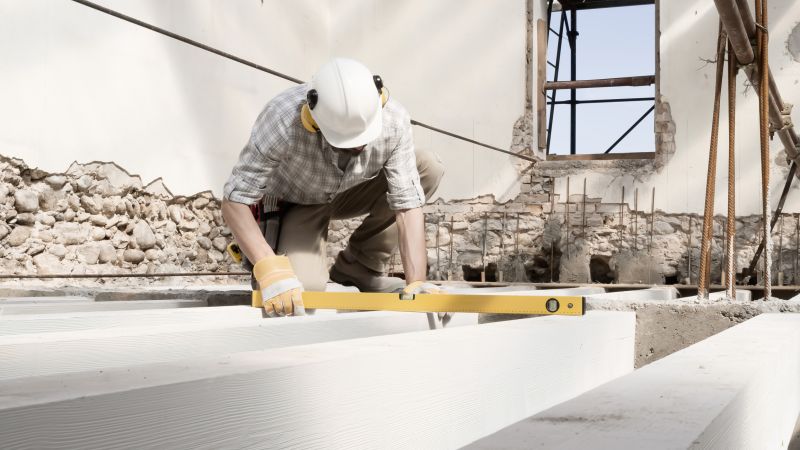
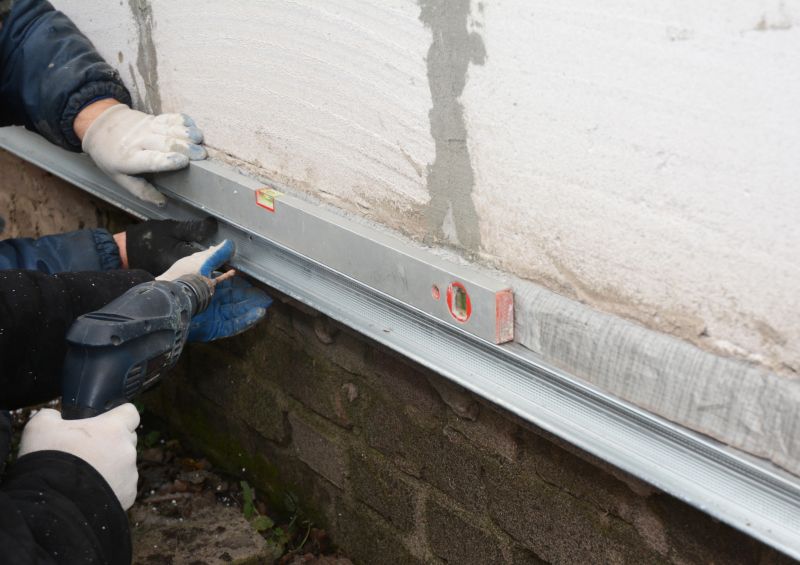
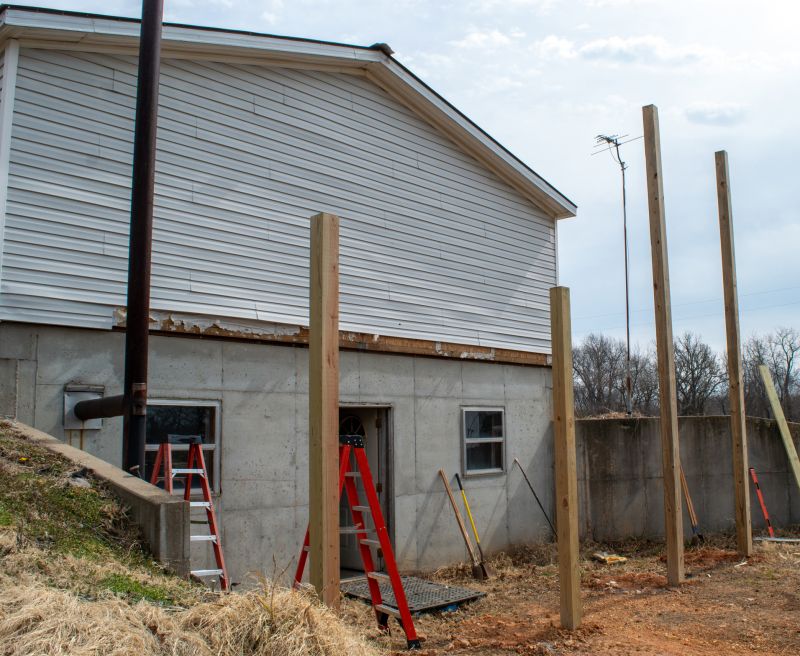
When homeowners search for information on common methods used for foundation raising and leveling, they are usually looking to understand how professionals address issues related to uneven or settling foundations. These problems often manifest as cracks in walls, uneven floors, or doors and windows that no longer close properly. Such signs typically indicate that the foundation has shifted or settled over time, which can compromise the stability and safety of a property. Homeowners may also be planning renovations or preparing to sell their homes, prompting a need for foundation correction to improve property value and ensure structural integrity. Local contractors who specialize in foundation raising and leveling can assess the specific conditions of a property and recommend appropriate solutions to restore a level and stable foundation.
The common methods used for foundation raising and leveling are designed to address different types of foundation issues, depending on the property’s construction and the severity of the settlement. Among the most frequently employed techniques are slab jacking, pier and beam adjustments, and underpinning. Slab jacking involves injecting a grout mixture beneath a sunken concrete slab to lift it back into position, which is often used in residential patios, driveways, or garage floors. Pier and beam systems typically involve installing or adjusting supports beneath a raised foundation, common in homes with crawl spaces, to stabilize and level the structure. Underpinning entails strengthening and raising the foundation by installing new supports or piers beneath the existing footing, often necessary for more severe settlement problems. Local foundation specialists can evaluate the specific issue and determine which method is best suited for the property’s needs.
Different types of properties often require tailored approaches to foundation raising and leveling. Residential homes, whether built on concrete slabs or pier and beam foundations, frequently encounter uneven floors or cracking that can be remedied with techniques like slab jacking or pier adjustments. Commercial buildings, especially those with large concrete foundations, might need more extensive underpinning or stabilization methods to ensure safety and compliance. Properties built on expansive soils, which tend to swell and shrink with moisture changes, are particularly prone to foundation movement, making regular inspections and specialized solutions essential. Additionally, older properties with traditional pier and beam foundations may need reinforcement or replacement of supports to achieve proper leveling. Local service providers understand these property types and can recommend the most effective methods to correct foundation issues, ensuring long-term stability.
Understanding the common methods used for foundation raising and leveling helps homeowners see how these solutions connect to real projects. Whether it involves lifting a sunken slab or reinforcing a settling pier system, these techniques are critical for maintaining a property’s safety and value. Homeowners should consider consulting with local foundation experts who can evaluate their specific situation and recommend the appropriate method. These professionals have experience working on various property types and can tailor their approach to address the unique challenges of each project. Proper foundation correction not only improves the structural health of a home but also provides peace of mind that the property will remain stable for years to come. Connecting with local service providers ensures that the chosen method aligns with the property’s needs and local soil conditions, making foundation raising and leveling a manageable and effective process.
Foundation repair projects often involve similar skills and tools used in raising and leveling foundations, such as soil assessment and structural stabilization techniques.
Concrete lifting and leveling services share common methods like mudjacking or foam injection, which are also employed in foundation raising to restore stability.
Basement underpinning projects require precise planning and excavation skills comparable to foundation leveling processes to ensure proper support.
Soil stabilization and reinforcement projects utilize techniques like grouting or compaction that are relevant to foundation raising methods for improving ground support.
Structural reinforcement services often involve strengthening existing foundations through similar planning and material application as foundation leveling.
Slab jacking and repair services use procedures akin to foundation raising, focusing on lifting and leveling concrete slabs to prevent further settling or cracking.
When evaluating service providers for foundation raising and leveling, it’s important to consider their experience with similar projects. Homeowners should look for local contractors who have a proven track record of successfully handling foundation adjustments in homes with comparable conditions. An experienced professional will be familiar with the common methods used for foundation raising and leveling, ensuring they can recommend the most appropriate approach for the specific needs of the property. This familiarity can lead to more accurate assessments and effective solutions, reducing the likelihood of unexpected issues during the project.
Clear, written expectations are essential when comparing local pros for foundation services. Homeowners should seek detailed proposals that outline the scope of work, the methods to be used, and any necessary preparations or follow-up steps. Well-defined expectations help ensure everyone is on the same page and reduce misunderstandings. Service providers who communicate their plans clearly demonstrate professionalism and transparency, making it easier for homeowners to assess their suitability. Having a comprehensive understanding of what the project entails allows homeowners to make informed decisions and feel confident in the selected contractor.
Reputable references and strong communication are key factors in choosing the right local contractor for foundation raising and leveling. Homeowners are encouraged to ask for references from previous clients who had similar work done, as this provides insight into the contractor’s reliability and quality of work. Good communication throughout the process helps address questions, clarify concerns, and keep the project on track. Contractors who are responsive and transparent tend to foster a smoother experience, giving homeowners peace of mind that their foundation needs are being handled by someone who values clear dialogue and proven results.
Property owners often search for common methods used for foundation raising and leveling when they are planning practical projects around their homes and businesses. Local pros provide Foundation Raising and Leveling services for everyday jobs and straightforward project options.
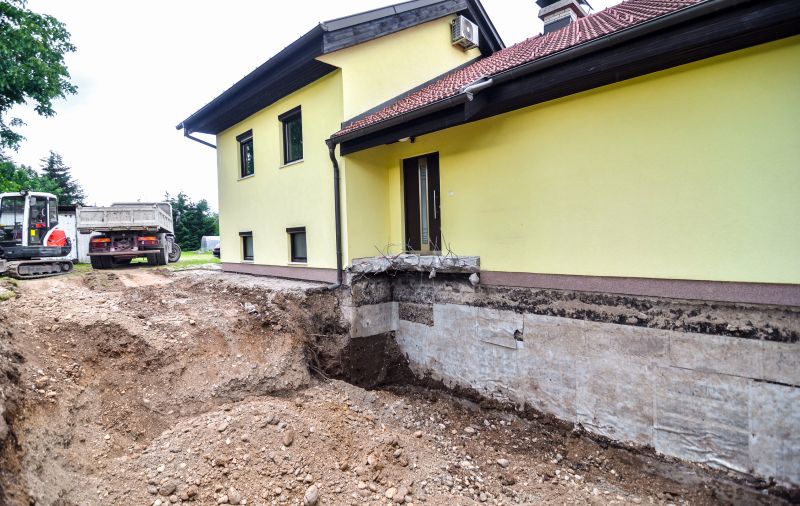
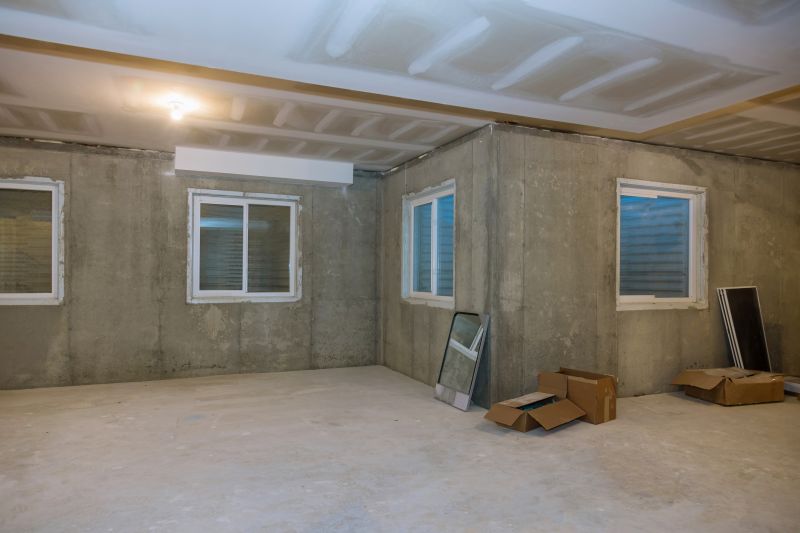
Foundation raising and leveling are common needs for property owners dealing with uneven floors, cracks in walls, or shifting structures. To address these issues, local contractors often utilize methods such as mudjacking or foam jacking, which involve injecting a mixture beneath the foundation to lift and stabilize it. Piers and underpinning are also frequently used, where supports are installed deep into the ground to provide additional stability and lift to the foundation. These approaches are typically chosen based on the specific condition of the foundation and the extent of the settling or shifting.
Homeowners seeking foundation raising and leveling services might look into these common methods to understand what options are available for their property. Local service providers can assess the situation and recommend suitable techniques to restore stability and ensure a level foundation. Whether the issue involves minor settling or more significant shifts, experienced local contractors can help determine the most effective solution to address foundation concerns and improve the overall integrity of the structure.
What are common methods used for foundation raising and leveling? Local contractors often utilize techniques such as mudjacking, polyurethane foam injection, and pier and beam adjustments to raise and level foundations effectively.
How does mudjacking work for foundation leveling? Mudjacking involves pumping a slurry mixture beneath the foundation to lift and stabilize it, a method frequently performed by local service providers.
What is polyurethane foam injection in foundation raising? This method uses expanding foam to fill voids and lift the foundation, offering a quick and minimally invasive solution handled by local pros.
Are pier and beam adjustments common for foundation leveling? Yes, local contractors often use pier and beam systems to stabilize and raise uneven foundations, especially in older structures.
Can foundation raising and leveling methods be combined? Yes, many local service providers combine techniques like mudjacking and pier adjustments to achieve the best results based on the foundation's condition.
Pier and Beam Lifting - property owners can consider pier and beam systems to lift and stabilize uneven foundations, especially in older homes.
Mudjack or Slab Raising - this method involves injecting a slurry beneath concrete slabs to lift and level them, suitable for driveways and patios.
underpinning techniques - local contractors may implement underpinning to strengthen and raise foundations that have settled over time.
mud or foam jacking - foam jacking offers a minimally invasive option for raising sunken concrete surfaces, providing a quick solution for level adjustments.
If you are thinking about common methods used for foundation raising and leveling for a property, this guide is meant to help you understand this topic, the typical project types, and how different options might fit your plans.
When you are ready, you can use the quote form on this page to share a few details about your project. From there, local pros can review the basics and follow up with options that match what you have in mind.